Best macro tracker app: what features actually matter?
A macro tracker should make protein, carbs, fats, calories and progress easy to understand. Here is what to look for before choosing one.
Logly
Food tracking guides
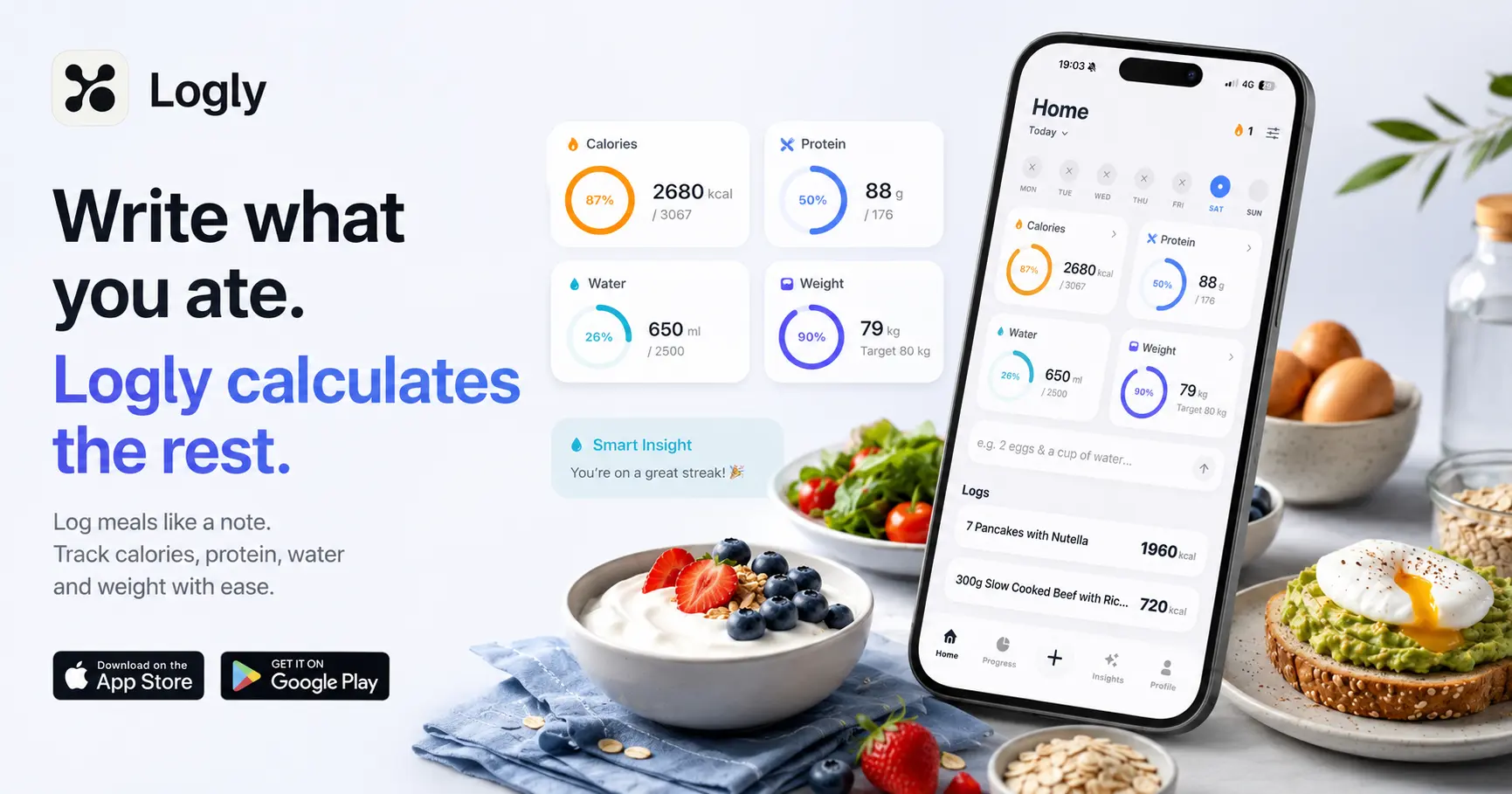
Tracking macros — protein, carbohydrates, and fat — gives you a more complete picture of your nutrition than tracking calories alone. Two meals can have exactly the same number of calories but completely different effects on your hunger, energy, recovery, and body composition depending on how those calories are distributed across protein, carbs, and fat.
The best macro tracker app is not the one with the most complicated features or the largest database. For most people, it is the one that makes tracking fast enough to do consistently and surfaces the macro information in a way that is actually useful in day-to-day decisions.
This guide covers what macro tracking is, which features matter most, and how to choose an app that fits your lifestyle rather than adding complexity to it.
What is macro tracking and why does it matter?
Macronutrients are the three main categories of nutrients that provide calories: protein (4 calories per gram), carbohydrates (4 calories per gram), and fat (9 calories per gram). Every food is made up of some combination of these three, plus water, fiber, and micronutrients.
Calorie tracking tells you how much energy you are consuming. Macro tracking tells you where that energy is coming from. This distinction matters because macros have different effects on your body. Protein supports muscle maintenance and creates a high feeling of fullness per calorie. Carbohydrates are the body's preferred energy source for high-intensity activity. Fat supports hormone production and makes meals feel satisfying.
People who track macros in addition to calories tend to have more consistent hunger management, better body composition outcomes, and more understanding of why certain nutrition approaches work or do not work for them.
What should a macro tracker include?
- Daily calorie target and a running total of calories consumed.
- Daily protein, carbohydrate, and fat targets with clear progress toward each.
- Per-meal macro breakdown so you can see which meals are contributing most.
- Simple meal logging — the faster this is, the more likely you are to log consistently.
- The ability to edit estimates when portions or ingredients were different than described.
- Weekly macro averages to see patterns rather than reacting to single days.
- Progress tracking for weight, photos, and measurements alongside food data.
Protein should be the easiest macro to see
For most people with most goals, protein is the most important macro to pay attention to. It is also the most commonly under-consumed. People who eat a generally healthy diet often meet their calorie needs easily but consistently fall short on protein — which shows up as increased hunger, slower recovery, and more muscle loss during weight loss than necessary.
A good macro tracker should make your daily protein progress visible and easy to check at a glance, not buried behind several taps. If seeing your protein requires navigating away from the main screen, it is not prominent enough.
Macros should connect to individual meals
Knowing you finished the day 30g of protein short is useful, but knowing which meals contributed most and least to your protein total is more useful. A good macro tracker shows you the breakdown per meal so you can identify the patterns — maybe your breakfast and lunch are consistently low in protein, and you are trying to make up for it at dinner.
This meal-level view is what transforms macro tracking from a scorekeeping exercise into a tool that actually helps you make better decisions about what to eat and when.
AI can make macro tracking dramatically faster
Manual macro tracking — searching a database for every ingredient, adjusting portion sizes, assembling totals for a complex meal — is time-consuming. The more complex your meal, the longer it takes. This friction is one of the main reasons people who start tracking macros give up.
AI-powered macro tracking removes most of this friction. You describe the meal in natural language, and the AI estimates not just calories but the full macro breakdown — protein, carbs, fat, and often fiber as well. For a mixed homemade meal, this might take 15 seconds instead of three minutes.
AI macro tracking example
A meal log of '3 eggs scrambled, 2 slices of bread with butter, and Greek yogurt with honey' becomes an estimated calorie count, protein total, carb total, and fat total in seconds — without searching for any individual ingredient.
Macro ratios: what targets should you set?
Macro targets depend on your goal, activity level, and body. There is no single ratio that works for everyone. That said, some commonly used starting points exist for different goals:
| Goal | Protein | Carbohydrates | Fat |
|---|---|---|---|
| Weight loss | High (35–40%) | Moderate (30–35%) | Lower (25–30%) |
| Muscle gain | High (30–35%) | High (40–50%) | Moderate (20–25%) |
| Maintenance | Moderate (25–30%) | Moderate (35–45%) | Moderate (25–35%) |
| Endurance sports | Moderate (20–25%) | High (50–60%) | Moderate (20–25%) |
These are rough starting points, not prescriptions. The right approach is to start with a target that feels achievable, track consistently for two to four weeks, and then adjust based on how you feel, how you perform, and what your progress trend shows.
Do macros matter for weight loss?
Calories drive weight loss — a calorie deficit is required regardless of macro ratio. But macros significantly affect how sustainable that deficit is. High protein intake reduces hunger and muscle loss. Adequate carbohydrates help maintain training performance. Getting macros right makes being in a calorie deficit considerably more comfortable.
This is why many people who switch from just tracking calories to also tracking macros find that their diet gets easier to follow even at the same calorie target — because they start eating more filling, muscle-supporting foods.
Do macros matter for muscle gain?
Yes. For muscle gain, the most important nutritional factors are total calories above maintenance and adequate protein. Carbohydrates support training performance and recovery. Fat supports hormone levels, including testosterone. A macro tracker can help you confirm you are eating enough of each to support muscle growth, which is easy to miss on a purely calorie-focused approach.
How Logly tracks macros
Logly estimates calories, protein, carbohydrates, fat, and other nutrition details from simple food descriptions. It connects those logs with water tracking, weight trends, and a progress journey so you can see the full picture — not just what you ate, but how your body is responding to your nutrition over time.
FAQ
What macro should I track first?
Start with protein. It is the macro most people consistently fall short on, and improving it has the most immediate effects on fullness, energy, and body composition. Once protein tracking feels natural, add total calories. Then add carbs and fat if needed.
Can I track macros without weighing food?
Yes, though estimates will be less precise. AI food tracking with clear meal descriptions and honest portion estimates is accurate enough to identify patterns and make progress. You do not need a food scale to benefit from macro tracking.
How many grams of protein do I need per day?
Protein needs depend on body weight, goal, and activity level. A commonly recommended range for people who are active or trying to preserve muscle is 1.6 to 2.2 grams per kilogram of body weight per day. For a 70kg person, that is roughly 112 to 154 grams of protein daily. Beginners can start with a simpler goal of including a protein source at every meal.
Track meals faster
Food tracking should feel simple.
Logly helps you log meals with AI, track calories and macros, follow your weight trend, add progress photos, and stay consistent without making nutrition feel like homework.
Related guides